
Car Depreciation: How Vehicles Lose Value and Why It Matters to Your Budget
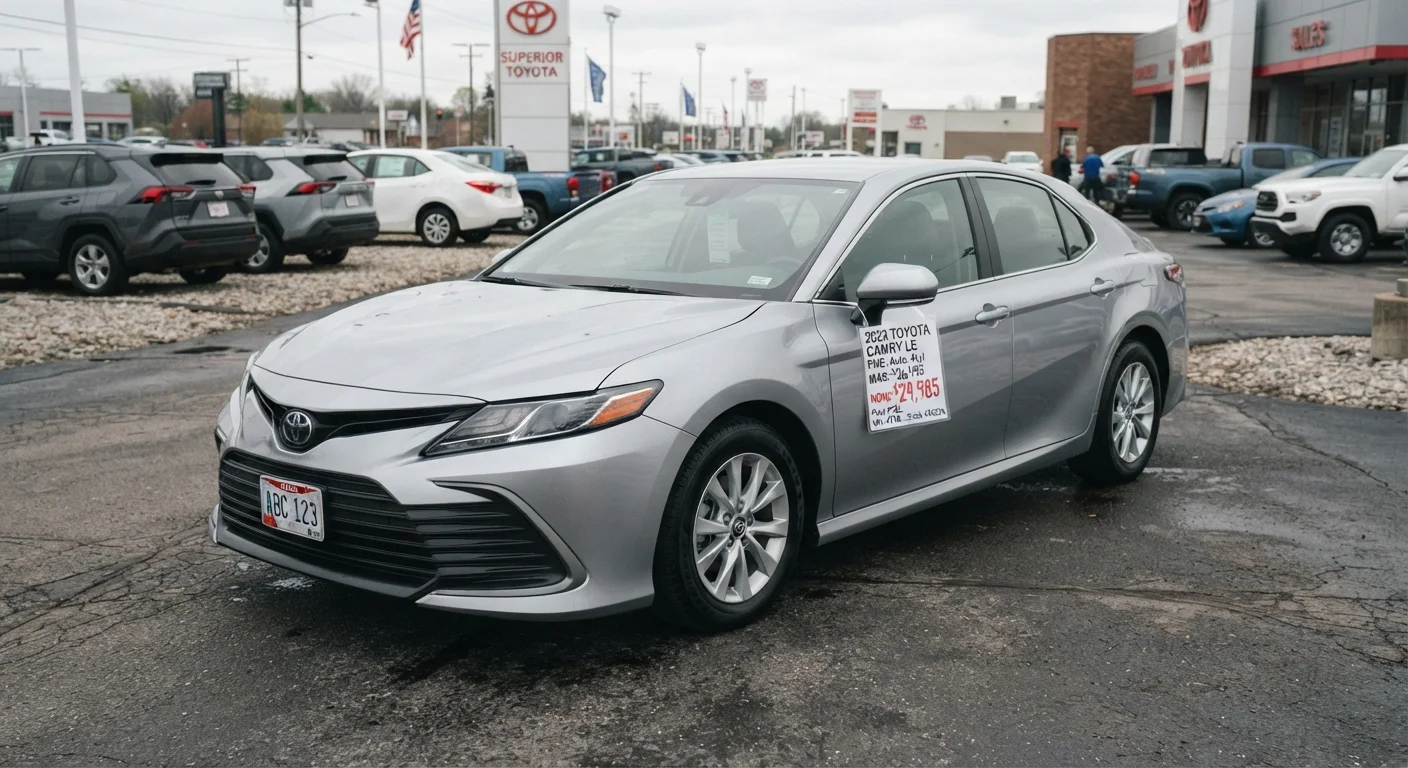
Photo credit: simplefuture.net
In this article
A car's value drops the moment you drive it away. Understand how depreciation works and how it affects your long-term auto spending.
Key Takeaways
- A new vehicle can lose 15 to 25 percent of its value in the first year alone.
- Depreciation is often the single largest cost of car ownership, exceeding fuel or insurance.
- Buying a vehicle that is two to three years old can let someone else absorb the steepest losses.
- Mileage, condition, brand reputation, and market demand all influence how fast a car depreciates.
- Understanding depreciation helps you make smarter decisions about buying, selling, and financing a vehicle.
Why depreciation is your biggest car cost
Most people focus on gas, insurance, and monthly payments when they think about what a car costs. Depreciation is often larger than all of those. According to data published by AAA, depreciation has consistently been the top ownership cost for new vehicles in the United States, often running $3,000 or more per year for average new cars.
The math is straightforward. If you buy a new vehicle for $35,000 and sell it five years later for $18,000, you have lost $17,000 in value. That loss is real money, whether or not you ever write a check for it. Spread across five years, that is $3,400 per year just from the vehicle getting older.
Because depreciation is invisible in your monthly budget, it is easy to overlook. Factoring it in gives you a much clearer picture of what you actually spend to own a car. See how depreciation compares to other ownership costs by vehicle class for a fuller breakdown.
How the depreciation curve works
Depreciation does not happen at a steady rate. The drop is steepest in the early years and gradually flattens out.
In the first year, a new vehicle commonly loses 15 to 25 percent of its purchase price. By year three, cumulative losses of 40 percent or more are typical. By year five, many vehicles have lost half their original value. After that, the rate slows considerably because the vehicle has already shed most of its premium.
This curve is why buying a two- to three-year-old car can work in a buyer's favor. The previous owner absorbed the largest loss, and the new buyer gets a vehicle with significant remaining life at a lower price. See how the new versus used math looks for families for a more detailed comparison.
20%
Average first-year value loss for a new vehicle
AAA and Edmunds data consistently show new cars losing roughly 15 to 25 percent of their value in year one.
~50%
Typical value remaining after five years
Many mainstream vehicles retain roughly 40 to 60 percent of their original price after five years, depending on make, model, and market conditions.
$3,000+
Annual depreciation cost for average new car
AAA's vehicle ownership cost studies have placed depreciation as the largest single annual expense for new car owners in the US.
Factors that speed up or slow down depreciation
Not every vehicle depreciates at the same pace. Several concrete factors determine whether a specific car holds its value or drops faster than average.
- Mileage: Higher annual mileage accelerates depreciation. Vehicles driven well above the average of about 15,000 miles per year typically lose value faster.
- Condition: Dents, worn interiors, and deferred maintenance all reduce resale value. A clean vehicle with service records consistently fetches more from private buyers and dealerships alike.
- Brand and model reputation: Some brands have a history of holding value well; others do not. Consumer demand in the used-car market is the primary driver here.
- Fuel type and market timing: When gas prices spike, large trucks and SUVs with poor fuel economy can depreciate faster. Hybrids and fuel-efficient models sometimes hold value better during those periods.
- Color and trim: Neutral colors (white, gray, black, silver) tend to appeal to more buyers and typically depreciate less than unusual colors. High-trim packages can add resale value, but only if the next buyer values those features.
Keeping up with maintenance is one of the few things an owner can directly control. Learn which maintenance tasks you can handle yourself and which need a mechanic to keep your vehicle in good shape without overspending.
Depreciation and auto loans: the negative equity trap
When you finance a vehicle, depreciation creates a specific financial risk. If your car loses value faster than your loan balance shrinks, you owe more than the car is worth. Lenders call this negative equity, and buyers often call it being 'underwater.'
This situation is common in the early years of a loan, especially with long loan terms (72 or 84 months) or low down payments. If the vehicle is totaled or stolen during this period, most auto insurance policies pay only the current market value, not what you owe. The gap between those two numbers comes out of your pocket unless you carry gap insurance, which covers the difference.
Putting more money down, choosing a shorter loan term, or buying a vehicle with a slower depreciation rate all reduce the risk of landing underwater. This is general information; for guidance specific to your finances, consult a qualified financial professional.
See how depreciation connects to broader ownership decisions for more context on managing this risk.
How to factor depreciation into your vehicle budget
The most practical step is to estimate the five-year ownership cost of any vehicle you are considering, not just the sticker price or monthly payment. Online tools from sources like Edmunds and Kelley Blue Book publish historical depreciation data by make, model, and trim, so you can compare realistic resale projections before you buy.
When comparing two vehicles with similar purchase prices, the one with a slower depreciation rate will cost less to own over time, even if its monthly payment is the same. A vehicle that retains 55 percent of its value after five years costs meaningfully less to own than one retaining 40 percent, all else being equal.
Depreciation also affects decisions about when to sell. Selling a vehicle after years three or four, before the curve flattens entirely but after the steepest drop has passed, sometimes produces a better financial outcome than holding longer. This is worth considering alongside your transportation needs and any remaining loan balance.
For families using a vehicle for long road trips, operating costs beyond depreciation also add up. See what actually saves money on road trips to keep total vehicle costs in check.
This article is for general informational purposes only and does not constitute personalized financial advice. Consult a qualified financial professional for guidance on your specific situation.
Frequently Asked Questions

Author
Auto Editorial Team
Auto Editorial Team is the collective byline for our editorial team and contributor network. Articles published under this byline or an editorial pen name are researched, written, and reviewed according to our editorial standards for clarity, consistency, and independence before publication.
View all articles →