
A Checklist for Evaluating a Used Vehicle Before You Commit
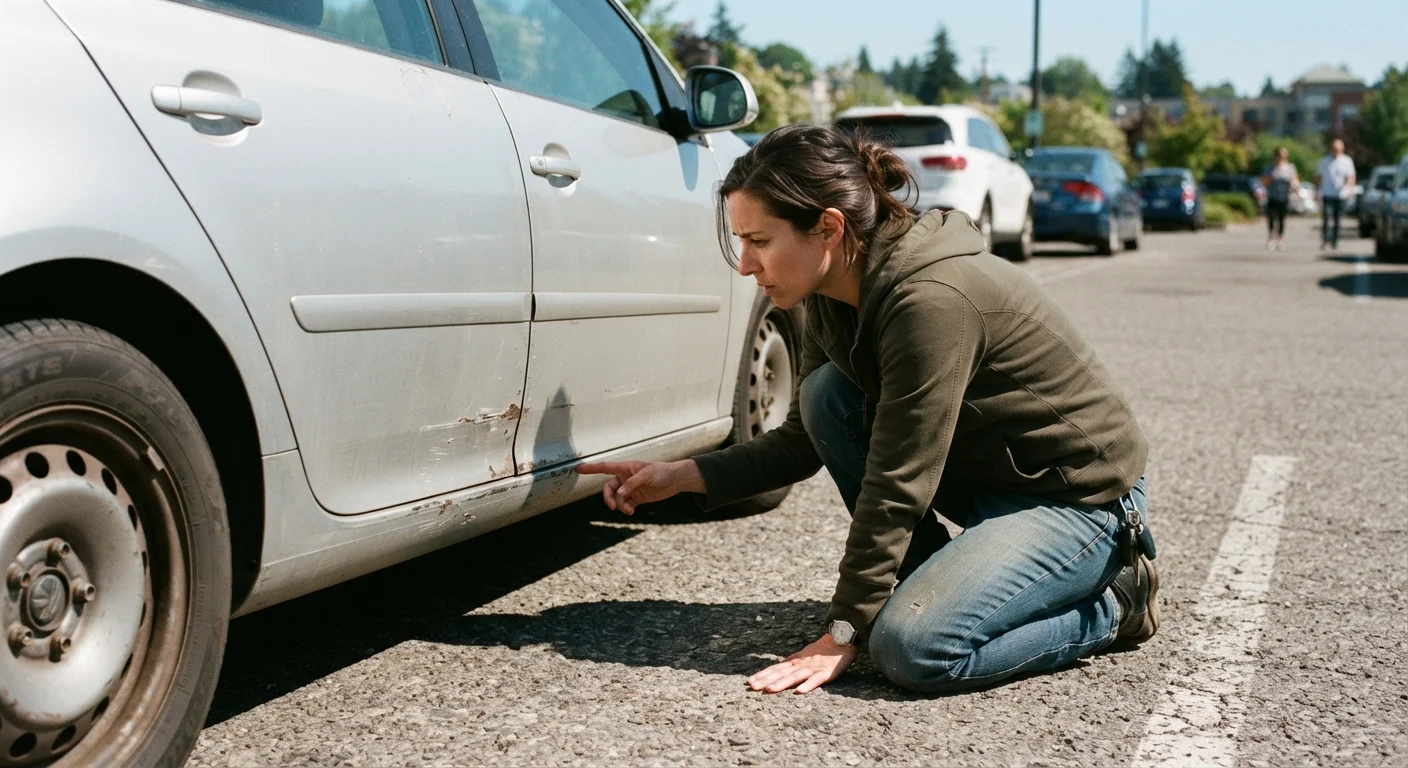
Photo credit: simplefuture.net
Use this structured checklist to inspect a used car's condition, paperwork, and history before signing anything or handing over a deposit.
Key Takeaways
- Check paperwork and vehicle history before spending time on a physical inspection.
- A pre-purchase inspection by an independent mechanic costs roughly $100 to $200 and can prevent much larger repair bills.
- Rust, frame damage, and mismatched paint are harder to fix than most mechanical issues.
- Verify the VIN on the car matches the title, history report, and any loan documents.
- Never sign a purchase agreement or hand over a deposit before completing every step in this checklist.
Why this checklist matters
Buying a used vehicle without a structured inspection is one of the more reliable ways to spend money you did not plan to spend. Hidden rust, undisclosed accidents, open recalls, and title problems are all common, and none of them appear in listing photos. This checklist walks through every stage of evaluation in a logical order so nothing gets skipped in the excitement of the moment.
The checklist covers four areas: paperwork and history, exterior condition, interior and mechanical checks, and the test drive. Work through them in order. If something fails early, for example, the VIN does not match the title, there is no point continuing. For more detail on decoding a history report, see our plain-language guide to vehicle history reports. If you reach the point of financing, reviewing your financing agreement line by line is just as important as the physical inspection.
Paperwork and history
Exterior condition
Interior and under the hood
Test drive
Tools you will need
You do not need a mechanic's toolkit to run this checklist, but a few inexpensive items make a real difference. Bring them to every in-person inspection.
Flashlight
Illuminate wheel wells, engine bays, and the underside to spot rust and fluid leaks.
Tire tread depth gauge
Measure remaining tread depth accurately across multiple points on each tire.
OBD-II code reader
Read any stored or pending diagnostic trouble codes in the engine control unit before you buy.
Paint thickness gauge
Detect areas of excess paint or body filler that suggest prior accident repair.
Neodymium magnet
Low-cost alternative to a paint thickness gauge for detecting body filler on exterior panels.
Notepad or phone notes app
Record findings panel by panel so nothing is forgotten when you compare multiple vehicles.
What to do after the checklist
If the car passes your inspection and you want to move forward, schedule a pre-purchase inspection (PPI) with an independent mechanic before signing anything. A PPI typically runs $100 to $200 and puts the car on a lift so a professional can see what you cannot from ground level. No seller who is confident about a vehicle's condition should refuse this request. A refusal is itself useful information.
Once you have the mechanic's report, use any issues it surfaces as negotiating points on price, not just as reasons to walk away. Small problems can often be factored into the final number. Larger structural or mechanical findings are harder to price accurately, and in those cases, walking away is often the right call.
Avoid skipping the independent inspection
A seller's claim that a car was 'inspected' or 'certified' by their own shop is not the same as an independent pre-purchase inspection. Only a mechanic you hire, with no financial relationship to the seller, can give you an unbiased mechanical assessment. If a private seller or dealer pressures you to decide before you can arrange an inspection, treat that pressure as a warning sign.
This article provides general educational information about evaluating used vehicles. It is not a substitute for professional mechanical advice. Have a qualified mechanic inspect any vehicle before purchase.

Author
Auto Editorial Team
Auto Editorial Team is the collective byline for our editorial team and contributor network. Articles published under this byline or an editorial pen name are researched, written, and reviewed according to our editorial standards for clarity, consistency, and independence before publication.
View all articles →