
Annual Auto Ownership Cost Reference by Vehicle Class
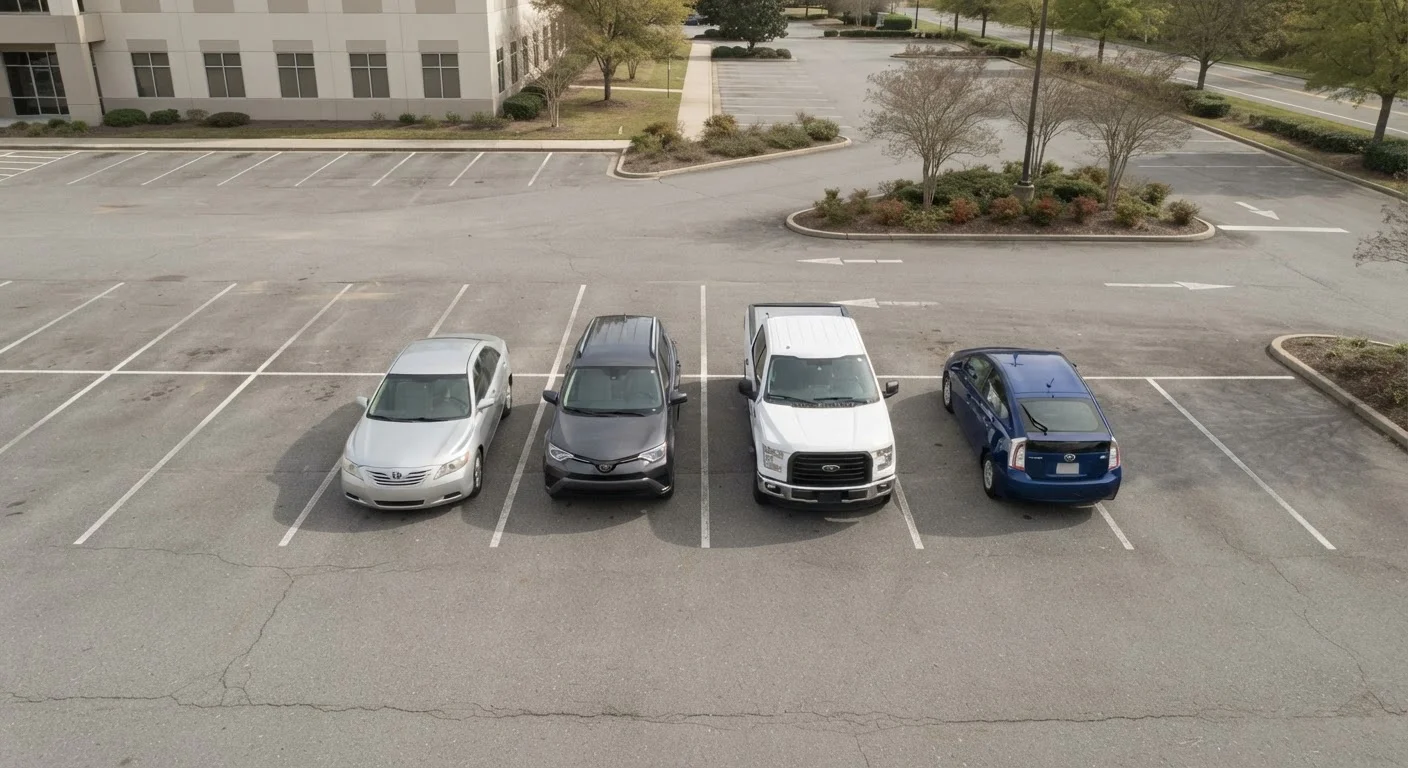
Photo credit: simplefuture.net
In this article
A quick-reference breakdown of typical annual costs for sedans, SUVs, trucks, and hybrids covering insurance, fuel, and upkeep.
Why annual ownership cost matters more than the sticker price
The purchase price of a vehicle is one line in a much longer budget. Insurance premiums, fuel, routine maintenance, tires, registration fees, and depreciation all add up year after year. For most American households, a vehicle is the second-largest expense after housing, so understanding the full annual cost by vehicle class is practical information, not trivia.
This reference covers four common classes: sedans, SUVs, pickups, and hybrids. The figures below reflect general cost ranges drawn from industry data, including periodic reports from sources such as AAA, which tracks average driving costs annually. Actual costs depend on your location, driving habits, credit profile, and specific model. This article is general financial information, not personalized advice. Consult a licensed financial professional for guidance specific to your situation.
For a deeper look at how purchase price and depreciation interact, see how vehicle depreciation works.
| Sedan annual ownership cost (est.) | $9,000 to $11,000 (AAA annual driving cost reports, general range) |
| Midsize SUV annual ownership cost (est.) | $11,000 to $14,000 (AAA annual driving cost reports, general range) |
| Full-size pickup annual ownership cost (est.) | $12,000 to $15,000 (AAA annual driving cost reports, general range) |
| Hybrid annual ownership cost (est.) | $9,500 to $12,500 (AAA annual driving cost reports, general range) |
| Average annual miles driven (US) | Approx. 14,000 miles (Federal Highway Administration, recent estimates) |
| Federal hybrid battery warranty minimum | 8 years / 100,000 miles (U.S. EPA and NHTSA regulatory requirement) |
Cost breakdown by vehicle class
Sedans
Sedans typically carry the lowest annual ownership cost of the four classes. Fuel costs run lower because engines are generally smaller and curb weight is lighter. Insurance premiums for mainstream sedans are often below average because repair costs and claim payouts tend to be lower. AAA estimates that midsize sedan owners pay roughly $9,000 to $11,000 per year in total ownership costs when depreciation is included.
SUVs
Midsize and large SUVs cost more to fuel, insure, and maintain than sedans. Tire replacement is a notable line item because SUV tires are larger and wear differently under load. Annual ownership costs for a mainstream midsize SUV typically fall between $11,000 and $14,000, with three-row models at the upper end. Depreciation on mainstream SUVs is meaningful: some midsize models lose 40 to 50 percent of value in the first five years.
Pickup trucks
Full-size pickups carry some of the highest annual costs in the consumer market. Fuel economy for V8 and larger V6 configurations is lower than comparable SUVs. Insurance for trucks varies widely by use: a truck used for business or towing carries a different risk profile than one used for commuting. Total annual costs for a full-size pickup generally range from $12,000 to $15,000. Comparing new versus used trucks can shift that range significantly.
Hybrids
Hybrid vehicles offset higher purchase prices through fuel savings. A hybrid owner who drives close to the national average of about 14,000 miles per year can see fuel cost reductions of 30 to 50 percent compared to a comparable gasoline-only vehicle. Battery-related maintenance adds some uncertainty to long-term costs, though most modern hybrid batteries carry 8- to 10-year warranties under federal requirements. Annual ownership costs for mainstream hybrid sedans and crossovers typically run between $9,500 and $12,500.
The costs most owners underestimate
Depreciation is the single largest annual cost for most owners, yet it rarely appears on a monthly budget. A vehicle that loses $4,000 in value per year costs that amount regardless of how low the fuel bill is. Understanding depreciation helps put the other cost categories in proportion.
Insurance is the second area where owners often underestimate costs. Premiums reflect the class and value of the vehicle, your driving record, your ZIP code, and coverage levels you choose. A full-size truck with comprehensive and collision coverage in an urban area can carry premiums two to three times higher than a sedan with equivalent coverage in a rural area. Learning how auto insurance works before selecting a vehicle class can prevent budget surprises.
Maintenance intervals also differ by class. Trucks and larger SUVs used for towing need more frequent transmission and brake service. Hybrids have lower brake wear due to regenerative braking but require coolant and inverter fluid service that gasoline-only owners rarely see. Sedans generally have the most predictable and lowest-cost maintenance schedules.
Total cost of ownership
The full annual expense of operating a vehicle, including depreciation, financing, insurance, fuel, maintenance, tires, and registration fees. It is a broader measure than purchase price alone.
Depreciation
The reduction in a vehicle's market value over time. It is typically the largest single annual cost of ownership and is not reflected in a monthly payment.
Regenerative braking
A system in hybrid and electric vehicles that recovers energy during braking and uses it to recharge the battery. It reduces brake pad wear compared to conventional braking.
Curb weight
The weight of a vehicle with standard equipment and a full tank of fuel, but without passengers or cargo. Heavier vehicles generally consume more fuel and wear tires faster.
Comprehensive coverage
An auto insurance option that pays for damage to your vehicle from non-collision causes such as theft, weather, or falling objects. It is separate from collision coverage.

Author
Finance Editorial Team
Finance Editorial Team is the collective byline for our editorial team and contributor network. Articles published under this byline or an editorial pen name are researched, written, and reviewed according to our editorial standards for clarity, consistency, and independence before publication.
View all articles →