
Why Cheap Mulch Often Costs More in the Long Run
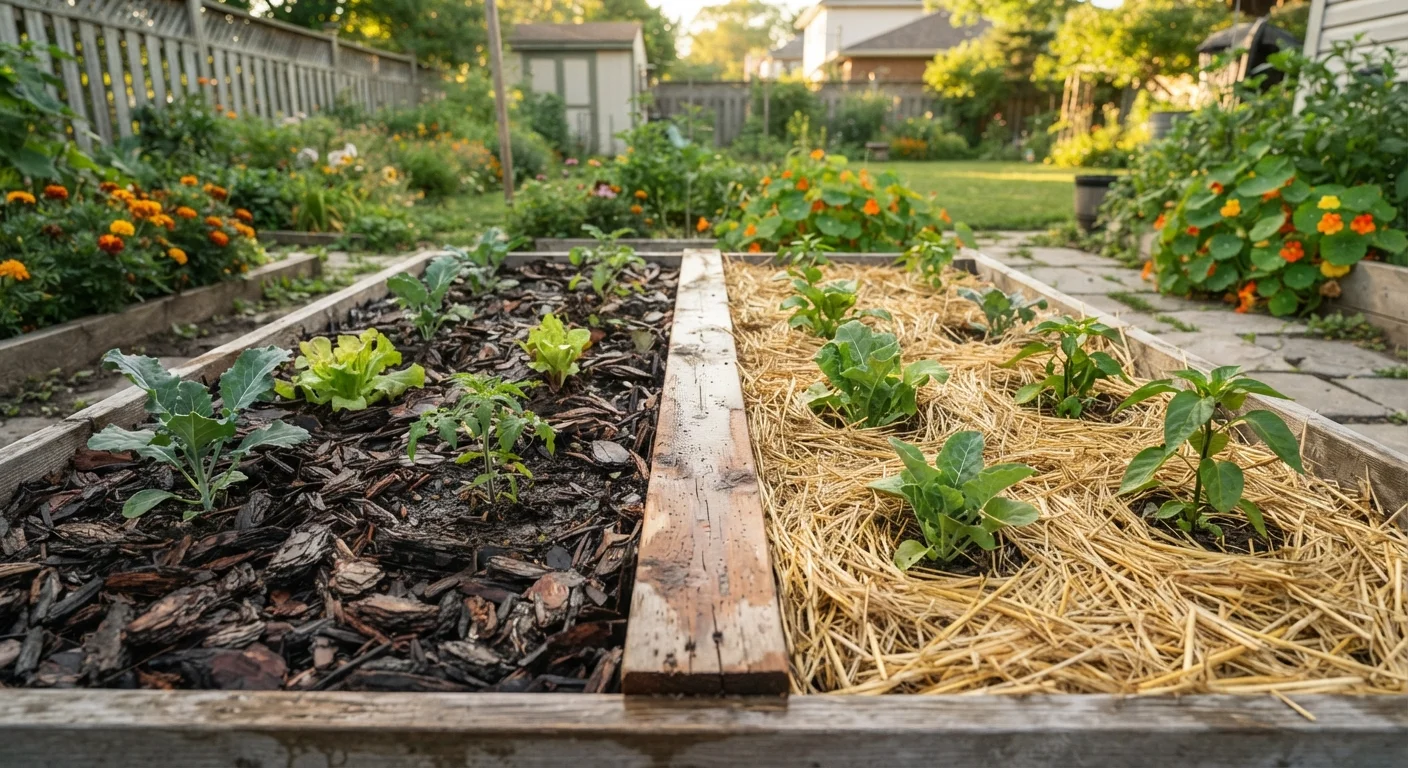
Photo credit: simplefuture.net
In this article
Not all mulch performs equally. Understand the trade-offs between wood chips, straw, rubber, and rock so your garden investment actually holds up.
Key Takeaways
- Cheap mulch often breaks down faster, requiring more frequent reapplication and higher total spending.
- Some low-cost materials introduce weeds, pathogens, or soil imbalances that damage plants over time.
- Applying mulch at the wrong depth wastes money regardless of material quality.
- Rubber and rock mulch carry hidden costs including heat stress on plants and difficult removal.
Why mulch quality matters for your budget
Mulch protects soil moisture, regulates temperature, suppresses weeds, and slowly feeds soil biology. Those benefits are real, but they depend on using the right material at the right depth. When homeowners choose based on price alone, they often end up reapplying two or three times per season, buying soil amendments to fix problems the mulch created, or pulling weeds that hitchhiked in on contaminated material.
The true cost of mulch is not what you pay at the start. It includes labor, reapplication frequency, and any damage to plants or soil that requires correction. Yard improvements that hold their value depend on inputs that perform over time, and mulch is no exception.
How to choose mulch that actually saves money
Organic mulches such as wood chips, shredded bark, and straw generally give the best return when applied correctly. Wood chips from a certified arborist or municipal program are often free or very low cost, and they break down slowly enough to last a full season. Straw works well in vegetable beds but should be seed-free, since cheap baled straw frequently contains viable grain seeds that germinate and compete with your plants.
Apply organic mulch at a depth between 2 and 4 inches. Shallower applications dry out quickly and do little to suppress weeds. Deeper than 4 inches can suffocate roots and create habitat for rodents. Getting the depth right the first time means you will not need a second application mid-summer.
If you are building out a vegetable garden alongside your mulching project, see our comparison of raised bed versus in-ground garden costs to plan your full soil budget before buying anything. Pairing good mulch with well-amended soil reduces the total inputs your garden needs each season.
Composted material mixed under mulch also improves long-term results. Our breakdown of what home composting actually requires can help you decide whether producing your own amendment is worth the effort for your situation.
2 to 4 inches
Recommended mulch depth for most garden beds
The University of Minnesota Extension recommends this range as the point where moisture retention and weed suppression benefits are highest without harming plant roots.
1 to 2 times per year
Typical reapplication rate for quality organic mulch
Quality shredded hardwood or wood chip mulch generally needs replenishment once or twice annually, compared to lighter materials that may require more frequent topping up.

Author
Home & Garden Editorial Team
Home & Garden Editorial Team is the collective byline for our editorial team and contributor network. Articles published under this byline or an editorial pen name are researched, written, and reviewed according to our editorial standards for clarity, consistency, and independence before publication.
View all articles →