
Weekend Yard Work That Actually Raises Your Home's Value
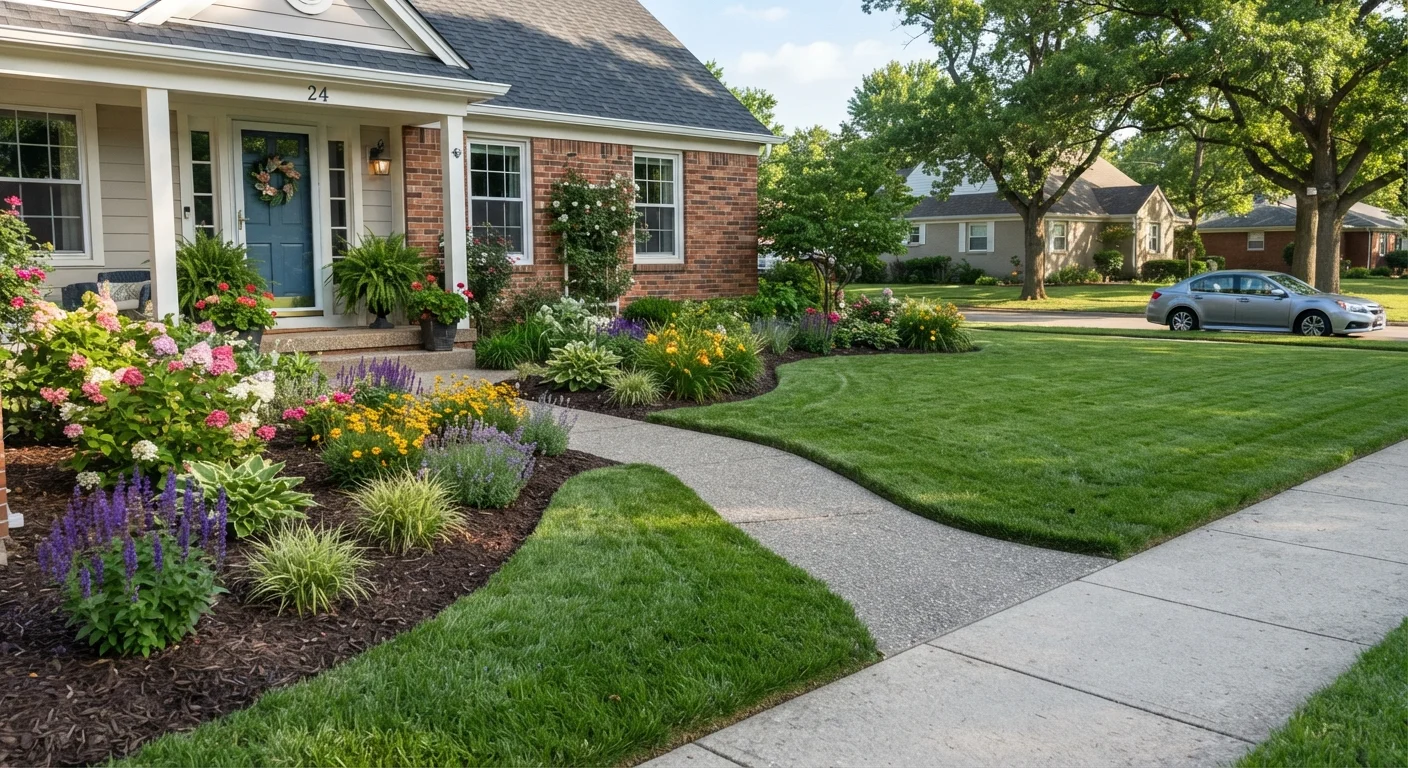
Photo credit: simplefuture.net
Simple, low-cost landscaping tasks you can tackle in a weekend that improve curb appeal and may boost your property's perceived value.
Key Takeaways
- Edging lawn borders and clearing overgrowth are among the highest-impact, lowest-cost weekend tasks.
- Fresh mulch in garden beds improves appearance and reduces long-term weed and watering effort.
- Consistent, visible maintenance signals care to buyers and appraisers, which can influence perceived value.
- Most tasks on this list require only basic tools and a half-day of work.
- Seasonal timing matters: completing work before listing or appraisal captures the most benefit.
Why yard work moves the needle on value
Curb appeal is the first impression a home makes, whether on a buyer walking up a path or a neighbor glancing from the street. Real estate professionals consistently note that exterior condition shapes how a property is perceived before anyone steps inside. While landscaping alone does not determine appraised value, a neglected yard can reduce perceived worth, and visible improvements can offset that penalty.
The tasks below are selected for one weekend's worth of effort, modest materials costs, and clear visual payoff. None involve permits or licensed trades. Where a job edges toward more complex irrigation or structural drainage, this article notes the limit.
Edge your lawn borders cleanly
Overgrown grass creeping onto paths and driveways makes a yard look unmaintained even when the lawn itself is healthy. A manual half-moon edger or a powered rotary edger cuts a clean vertical line along hard surfaces in under two hours for an average front yard. The contrast between clipped turf and a visible soil margin is immediate and costs nothing if you already own the tool, or a modest rental fee otherwise.
Work methodically along the full perimeter of the driveway, front path, and any garden beds touching the lawn. Bag or compost the removed strip rather than leaving it on the path.
Clean edges make a healthy lawn look intentional rather than incidental.
Refresh garden bed mulch
A 2- to 3-inch layer of fresh mulch over existing beds covers weeds, retains moisture, and gives planting areas a finished appearance. Bare or thin mulch makes beds look neglected regardless of what is growing in them. Most garden beds need mulch refreshed once or twice a year depending on material type.
Spread a uniform layer around (not directly against) plant stems and tree bases. If you are weighing material options before buying, this breakdown of mulch trade-offs can help you choose material that holds up rather than decomposing or washing away within a season.
Fresh mulch at 2 to 3 inches transforms the look of a bed faster than any plant addition.
Prune overgrown shrubs into shape
Foundation shrubs that grow past window sills or sprawl onto paths reduce natural light inside the home and give the front elevation a crowded appearance. A pair of bypass hand pruners handles stems up to about 3/4 inch; loppers extend that to around 1.5 inches. For larger shrubs, a folding pruning saw is enough for most weekend homeowners without professional training.
Remove dead or crossing branches first, then step back and shape from the outside in. Avoid cutting more than one-third of a shrub's total volume in a single session, as heavy pruning can stress plants and leave gaps that take a full season to fill.
Removing dead wood before shaping reveals the plant's structure and reduces wasted cuts.
Clear and define the entry path
The path from the street or driveway to the front door gets more attention than almost any other part of a yard because every visitor walks it. Cracks filled with weeds, mossy pavers, or encroaching grass are noticeable. Pull weeds from joints by hand or with a narrow weeding tool, sweep debris, and treat moss on hardscaping with a diluted white vinegar solution (let it sit, then scrub and rinse).
If pavers have shifted slightly, re-setting them is often straightforward: lift the paver, add or remove sand beneath it, and tamp it level. This falls within basic DIY scope for non-structural paths. For cracked concrete that affects drainage or structural paths attached to stairs, consult a licensed contractor before attempting repair.
The entry path is the one surface every visitor sees up close, so visible weeding repays the effort.
Add low-maintenance flowering plants near the entry
A concentrated planting of seasonal flowers or perennials near the front door draws the eye and signals that a home is actively cared for. The goal is not a complex garden: two or three matching containers or a narrow in-ground strip is enough to create a focal point without committing to ongoing intensive maintenance.
Choose plants suited to your climate zone and sun exposure rather than purely by appearance. Native or regionally adapted species generally need less water and fertilizer than exotic varieties, which reduces the follow-up work required to keep them looking good. If starting a food garden alongside ornamental plants is on your list, this practical starting point for home food gardens covers what to realistically expect in the first season.
Native or regionally adapted plants stay healthier with less maintenance than most exotic varieties.
Clean gutters and downspout exits
Gutters full of debris overflow during rain and leave staining down fascia boards and siding. That staining is visible from the street and signals deferred maintenance. Clearing gutters on a single-story section is a straightforward ladder task: wear gloves, scoop debris into a bucket, and flush the channel with a garden hose to check flow. Confirm that downspouts direct water at least 4 to 6 feet away from the foundation.
For two-story or steep-roof sections, this is work that warrants hiring a qualified service rather than attempting from an extended ladder. The safety risk is not proportionate to the savings.
Visible gutter staining on siding tells buyers and appraisers a home has not been consistently maintained.
Making it last beyond the weekend
A single productive weekend sets a baseline, but maintenance is what holds the gain. Scheduling a short follow-up session each month (mowing edges, pulling new weeds, refreshing mulch where it thins) keeps the work from unraveling. If you are considering adding a food garden to the mix, our guide to raised beds versus in-ground gardens covers how to set one up without overextending your budget. For mulch choices specifically, why cheap mulch often costs more in the long run explains how material quality affects how long your beds stay tidy.
Time your effort before it counts
If a home appraisal, listing, or neighborhood open house is coming up, complete yard work at least two weeks in advance. Freshly pruned plants and new mulch need a short settling period to look their best. Doing the work too close to the date can leave beds looking disturbed rather than finished.
This article provides general home and garden information. It does not constitute financial, legal, or property valuation advice. Consult a licensed real estate professional or appraiser for guidance specific to your home and market.

Author
Home & Garden Editorial Team
Home & Garden Editorial Team is the collective byline for our editorial team and contributor network. Articles published under this byline or an editorial pen name are researched, written, and reviewed according to our editorial standards for clarity, consistency, and independence before publication.
View all articles →