
National Parks as a Family Travel Strategy: What the Passes Actually Cover
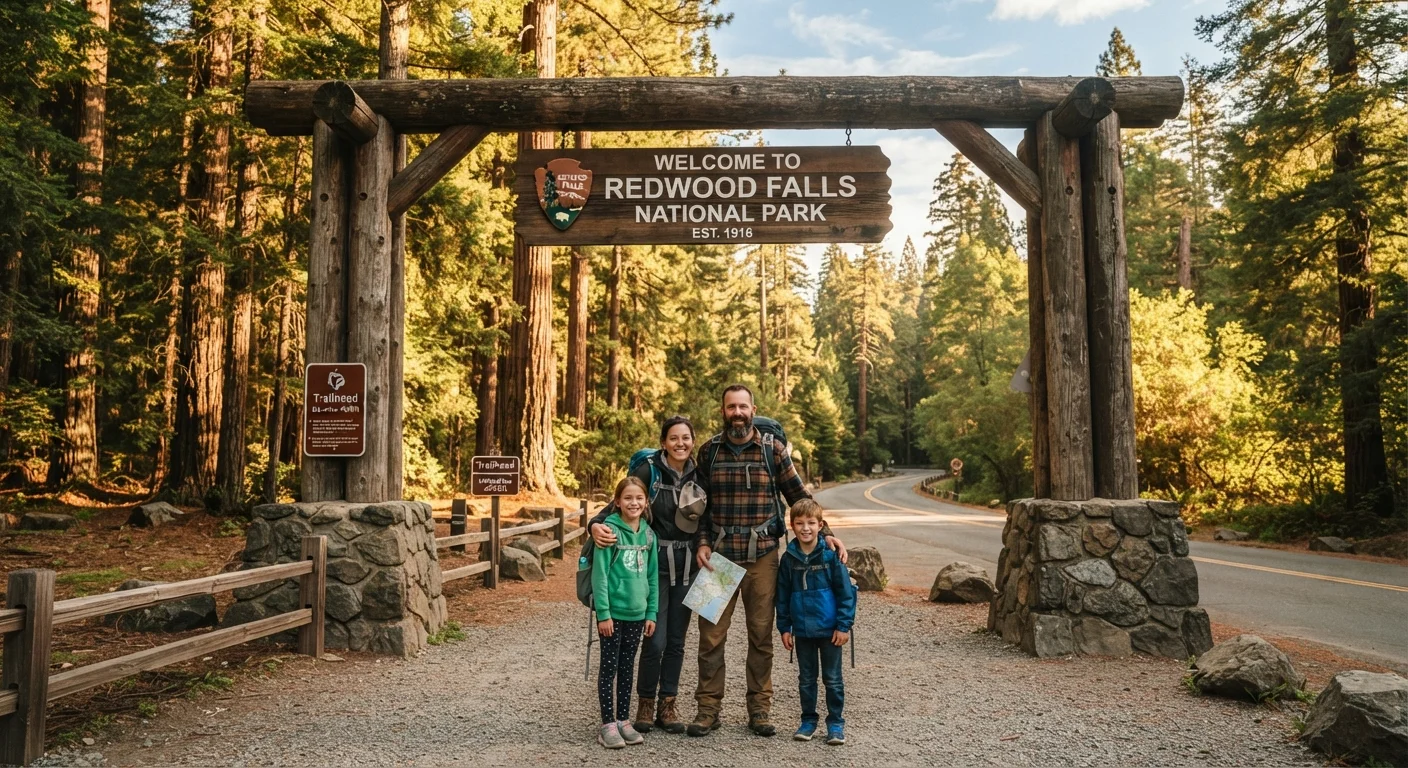
Photo credit: simplefuture.net
In this article
America's National Parks offer enormous value for families. Understand what the America the Beautiful pass covers and when it makes financial sense.
Key Takeaways
- The America the Beautiful pass costs around $80 annually and covers entrance fees for a vehicle and all occupants at federal recreation sites.
- Families visiting two or more national parks in a year typically recover the pass cost on their second visit.
- The pass does not cover camping fees, which can add significant cost to a national park trip.
- Free or reduced-cost passes exist for military families, fourth-grade students, and people with permanent disabilities.
- National park entrance fees vary widely, so calculating break-even before buying helps confirm the pass makes financial sense.
- Timing visits during shoulder seasons can reduce crowds and lower overall trip costs beyond just the entrance fee.
What the pass actually covers (and what it does not)
The America the Beautiful pass costs around $80 per year and covers entrance fees at more than 2,000 sites managed by five federal agencies: the National Park Service, the U.S. Forest Service, the Bureau of Land Management, the U.S. Fish and Wildlife Service, and the Bureau of Reclamation. For a family traveling by car, one pass admits the entire vehicle at per-vehicle sites, which covers most major national parks.
What the pass does not cover is worth knowing before you budget a trip. Campsite reservations are a separate line item entirely. Many families assume the pass handles everything at a park, then arrive to find that a week of camping costs $140 to $245 on top of the entrance fee already waived. Fees for concessionaire-operated activities, such as boat rentals, guided tours, or shuttle services inside the park, are also outside the pass scope. Parking fees at specific lots within parks, which have become more common, are generally not covered either.
The pass is valid for 12 months from the month of purchase, not from the day of purchase, so buying in late October gives you November through October of the following year.
Buy the pass at your first park visit
If you are unsure whether you will visit enough sites to justify the pass, wait until you arrive at your first park. You can apply the day's entrance fee toward the pass cost at the gate. That way you only commit to the full pass price if you know more visits are coming.
When the pass makes financial sense for families
The math is straightforward. National park entrance fees range from zero at smaller or less-visited sites to $35 per vehicle at high-traffic parks such as Yellowstone, Grand Canyon, and Zion. A family visiting two $35-fee parks in a single year spends $70 on entrance fees alone. The pass pays for itself with a third visit, saving $25 on that trip.
Families who cluster visits, for example, a summer road trip that hits three or four parks across two weeks, see the clearest return. A loop through Utah's five major national parks (Zion, Bryce Canyon, Capitol Reef, Arches, and Canyonlands) would cost $175 in entrance fees without the pass. With it, the entrance cost drops to zero beyond the initial $80.
2,000+
Federal recreation sites covered by the pass
According to the National Park Service and partner agencies, the Interagency Annual Pass is accepted at more than 2,000 federally managed recreation sites across the United States.
$35
Maximum per-vehicle entrance fee at major parks
Parks including Yellowstone, Grand Canyon, Zion, and Yosemite charge up to $35 per vehicle for a seven-day entrance permit, as listed on the National Park Service fee schedule.
~$80
Current annual pass cost
The America the Beautiful Interagency Annual Pass is priced at $80 per year, as set by the federal agencies that administer the program.
The pass is less useful for families who plan a single national park visit in a year. In that case, paying per-visit is cheaper unless the park's entrance fee is $40 or higher. Some smaller National Park Service units, including historical sites and monuments, charge no entrance fee at all, so visiting those alone would not justify the annual pass cost.
For a fuller picture of how the pass fits into overall trip spending, see how to plan a week-long family vacation for under $2,000.
Free and reduced-cost passes worth knowing about
Several federal programs reduce or eliminate the cost of the pass for qualifying families.
- The Every Kid Outdoors pass gives fourth-grade students a free annual pass. The child's pass covers the entire vehicle at per-vehicle fee sites, the same coverage as the paid pass. Families with a child in fourth grade should claim this before purchasing a full-price pass.
- Active-duty military members and their dependents receive free access at most federal recreation sites with a current military ID. This coverage extends to U.S. Coast Guard personnel.
- Veterans and Gold Star families receive a free lifetime pass, introduced as a permanent benefit in 2022.
- People with permanent disabilities qualify for a free lifetime pass through the Access Pass program.
- Volunteer pass: Anyone who logs 250 hours of volunteer service with federal recreation agencies earns a free annual pass.
If none of these apply, consider timing the purchase to align with a trip rather than buying months in advance. The pass starts the month you buy it, so purchasing the month before your first visit maximizes the 12-month window.
Traveling during shoulder seasons also compounds the savings. Smaller crowds mean less time idling in entrance lines and better odds at campsite reservations. Off-season travel strategies for families covers which windows work at popular US destinations.
Planning a national park trip around the pass
The pass handles entrance fees, but lodging is usually the largest remaining cost. Campgrounds inside national parks fill months in advance for summer dates, particularly at Yosemite, Glacier, and Rocky Mountain. Families who do not secure a campsite reservation early often pay more for lodging outside park boundaries, sometimes negating the savings from the pass itself.
Gateway towns adjacent to popular parks tend to have a range of lodging options, from motels to vacation rentals. Comparing those options against in-park lodges is worth doing early in trip planning. The vacation rental vs. hotel trade-off article breaks down when each option genuinely saves money for a family stay.
Families who want to stretch the pass across multiple destinations should also look at lesser-visited parks and BLM lands, which the pass covers and which tend to have more available campsites and fewer crowds. Many of these sites sit near well-known parks and can add a day or two of exploration without extra entrance costs. For destination ideas built around slower, lower-cost travel, budget-friendly US destinations that reward unhurried travel offers practical starting points.
Frequently Asked Questions

Author
Travel Editorial Team
Travel Editorial Team is the collective byline for our editorial team and contributor network. Articles published under this byline or an editorial pen name are researched, written, and reviewed according to our editorial standards for clarity, consistency, and independence before publication.
View all articles →