
What Homeowners Get Wrong About Paint Primer
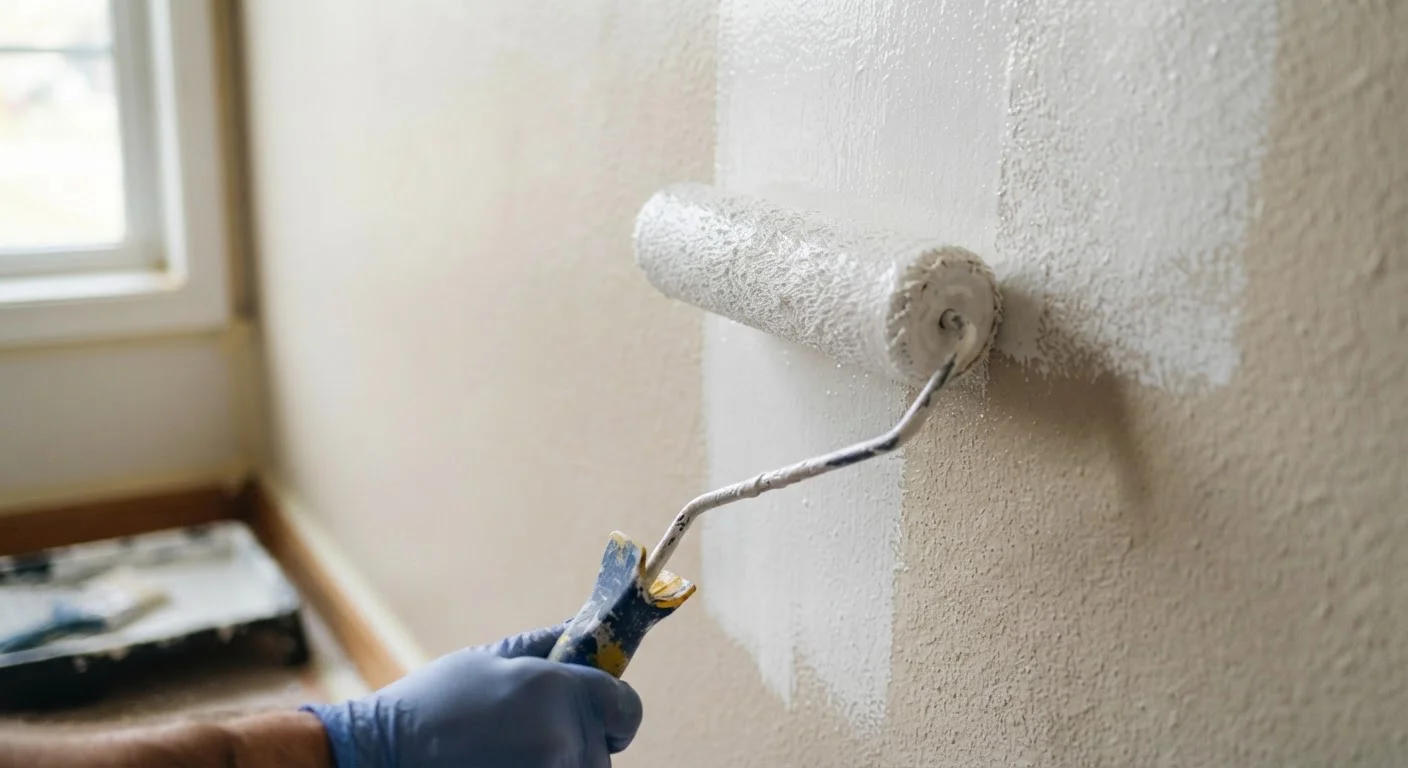
Photo credit: simplefuture.net
In this article
Primer is widely misunderstood. Separate fact from fiction on when it is truly necessary, when you can skip it, and how to avoid costly repaints.
Key Takeaways
- Primer is not always required, but skipping it on bare drywall or drastic color changes typically causes problems.
- Self-priming paint products work well on previously painted surfaces in good condition, but not on bare materials.
- Using the wrong primer type for your surface can cause peeling, poor adhesion, and wasted paint.
- Tinting your primer close to the topcoat color reduces the number of finish coats needed.
- One coat of primer is usually sufficient unless you are covering a stain, severe damage, or raw wood.
Why primer confusion costs homeowners money
Paint primer is one of the most misunderstood products in home improvement. Some homeowners skip it to save time and end up repainting within a year. Others apply it when it is genuinely unnecessary, adding cost and labor to a straightforward job. Getting clear on what primer actually does, and when it matters, is a practical way to stretch your painting budget.
Primer is a preparatory coating designed to bond to a surface and give topcoat paint something solid to grip. It seals porous materials, blocks stains, and in some cases evens out surface color. Without it in the right situations, paint can peel, blister, or look uneven no matter how many finish coats you apply.
Myth
Paint labeled 'paint and primer in one' means you never need a separate primer.
Fact
These combination products perform well on previously painted, sound surfaces, but they do not replace dedicated primer on bare drywall, raw wood, or heavily stained surfaces.
Paint-and-primer products have a thicker formulation that bonds adequately to clean painted walls. On bare or porous materials, however, they lack the deep penetration and sealing ability of a standalone primer. Using them on bare drywall, for example, still results in uneven sheen and absorption issues that require extra coats to correct. Think of them as a good maintenance option, not a universal solution.
Myth
You always need two coats of primer for a proper job.
Fact
One coat of primer is sufficient in most situations. Two coats are warranted only when covering a heavy stain, raw or highly porous wood, or severe surface damage.
A second primer coat adds cost and drying time without improving results on normal surfaces. The purpose of primer is to seal and bond, and a single coat does both on typical walls, previously painted surfaces, and moderately porous materials. If a single primer coat still shows staining or heavy tannin bleed-through after drying, a second coat or a dedicated stain-blocking product is the next step.
Myth
Any primer works on any surface.
Fact
Primer formulations are designed for specific surface types, and using the wrong one can cause adhesion failure, peeling, or trapped moisture.
Water-based (latex) primers work well for most interior drywall and previously painted walls. Oil-based primers are better suited for raw or bare wood, particularly when tannin bleed is a concern, and for surfaces that will be painted with oil-based topcoats. Masonry surfaces need a masonry-specific primer to seal alkalinity and prevent paint failure. Reading the primer label for its intended surface is a straightforward step that prevents expensive redos.
Myth
Primer does not need to dry fully before painting over it.
Fact
Applying topcoat paint over insufficiently dried primer traps moisture, which can lead to peeling, bubbling, and poor adhesion within months.
Most water-based primers are dry to the touch within one hour under normal indoor conditions (around 70 degrees Fahrenheit, moderate humidity), but manufacturers generally recommend waiting two to four hours before topcoating. Oil-based primers take longer, sometimes eight hours or more. High humidity significantly extends drying time. Rushing this step is a common cause of paint failure that looks like a product defect but traces back to application timing.
Myth
Primer is just watered-down paint and does the same job.
Fact
Primer has a different chemical composition than paint, with more binders and fewer pigments, specifically to maximize adhesion and sealing rather than color coverage.
Diluting regular paint with water does not replicate the bonding properties of primer. Paint is formulated to be durable and washable on the surface; primer is formulated to penetrate and grip. Substituting thinned paint for primer on bare drywall or wood produces a surface that looks primed but lacks the sealed, bonded foundation that prevents topcoat failure. The cost savings of skipping primer are typically erased by the extra finish coats required to achieve even coverage.
Situations where primer is genuinely necessary
Bare drywall is the clearest case for primer. The paper facing and joint compound absorb paint at different rates, so unprimed drywall produces a blotchy finish and often requires three or more topcoats to look even. A single coat of drywall primer sealer addresses this before you open the finish paint.
Raw or previously bare wood also needs primer to prevent tannin bleed-through, which causes brown or yellow stains to show through light topcoats. Exterior wood needs a primer rated for outdoor use to resist moisture movement and adhesion failure.
Drastic color shifts, such as painting over a deep red or dark navy with a light color, benefit from a tinted primer. Ask a paint counter to tint the primer close to your topcoat color. This simple step commonly reduces the finish coat count from three to two.
Do not prime over dirty or glossy surfaces
Primer needs a clean, slightly porous surface to bond correctly. Applying it over grease, dust, or a high-gloss finish without proper preparation leads to adhesion failure. Clean walls with a degreaser and lightly sand glossy areas before priming. This preparation step takes less time than stripping and repainting a peeling wall.
When you can reasonably skip primer
Painting over a previously painted surface that is clean, intact, and similar in color is the scenario where primer is most often optional. If the existing coat is adhering well, has no peeling or chalking, and you are staying within the same general color family, a quality latex paint can go directly on top.
High-traffic areas like kitchens and bathrooms, where walls are scrubbed regularly, are an exception. Any glossy surface in these rooms should be lightly sanded or deglossed before applying paint without primer, because paint struggles to adhere to a smooth gloss finish on its own.
Exterior repaints on sound existing paint follow the same logic. Pressure washing, light sanding of any flaky areas, and spot-priming bare spots is typically enough before applying a full topcoat.

Author
Home & Garden Editorial Team
Home & Garden Editorial Team is the collective byline for our editorial team and contributor network. Articles published under this byline or an editorial pen name are researched, written, and reviewed according to our editorial standards for clarity, consistency, and independence before publication.
View all articles →